
You’ve seen US, right? You can look at it on a micro level: a family’s present peril is predicated on an event from the wife/mother’s past. Alternatively, on a macro level: a community is unprepared for an upheaval in the social order.
So, for this post I’ll be talking about the two groups in the movie: the Reds and the Whites.

What do the Reds know? They live underground and they each have a link to a doppelganger who live above, a White.
What do the Reds believe? This link means that their lives must mirror the Whites. They have no choice.
Where others see a plot hole, I see evidence that what the Reds have been taught isn’t true. Otherwise, they wouldn’t have the jumpsuits, the scissors, etc. This belief, instilled in them by their creators/captors is a lie used to keep the Reds “in their place”. It’s logical that a Red would think individual freedom is tied to the specific White they are linked to.

It’s understandable that a Red child would assume that she has to switch places with her White doppelganger to escape. Growing up above ground, she realizes that becoming a White only grants a limited amount of freedom. As an adult she has a good family and good life, but it can be easily taken away. After all, she snatched this life from someone – it could happen to her.
The person taken underground, the White child that becomes a Red adult, also knows that simply being White doesn’t guarantee freedom. She believes that, to get free, a Red must sever the link with their sun dwelling, White doppelganger. The best way to cut the link is with a sharp object.
Close to the end, it is briefly mentioned that freedom for both women didn’t have to be an either/or situation. All of those years ago, they could have walked out of the fun house together but it wasn’t thought of as a possible solution then. After all the harm inflicted on each other, it’s definitely not possible now.
The Creators/Captives of The Reds have disappeared but their influence is felt. What’s important to know is that the current situation is a man-made problem rooted in a desire to control the population.
The horror of US hits on classic fear of losing your position and your possessions. The people who a system crushes for whatever reason (race/gender/class/immigration status) are going to treat us the way we treat them. Worse – they want to kill us!
The 2nd point of fear is the reality that being ignorant of the system won’t save you. The movie starts out as a one on one, family against family type of narrative. It’s soon revealed that everyone in the area is facing the same problem.
Also, there’s discomfort in not really knowing who to cheer for. Either woman can be the hero of their own narrative. What has to be done – whether it’s kidnapping or killing – is driven by a desire for a better life . . .and perhaps a tinge of jealousy.
Tips:
-Watch yourself.
-In a moment of crisis, Alexa won’t help you.


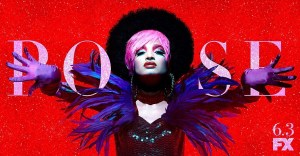
 What I found interesting about the second season was the emphasis on Vogue as the sole reason that members of the community thought they would finally be embraced by the mainstream. In reality, many members of the ballroom community thought they were on the verge of stardom because a filmmaker – Jenny Livingston – was making a documentary about them. Many people featured in Paris Is Burning thought that they were going to receive money from the film. The film, which was released a year after Vogue, was a success that received plenty of acclaim and criticism. Unfortunately, the financial success did not trickle down, leaving many disappointed.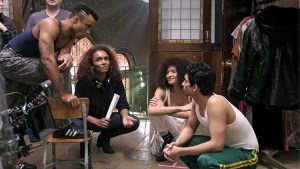

 Tawanna Sullivan